

Off-Grid Solar Guide
Off-Grid Solar Systems UK: Complete Guide
Off-grid solar systems allow you to generate, store, and use electricity without relying on the National Grid. If you’re ready to build a complete system, explore our range of Off-Grid Solar Kits. Whether you’re powering a remote cabin, workshop, stable, boat, campervan, or garden office, a properly designed off-grid solar system can provide reliable, renewable energy all year round.
This guide explains how off-grid solar works, what equipment you need, how to size a system correctly, and common mistakes to avoid when building your own setup.
Whether you’re building a small 12V battery charging system or a larger off-grid installation capable of powering everyday household appliances, understanding the correct system design is essential for long-term reliability and performance.
What Is an Off-Grid Solar System
An off-grid solar system is a standalone power system that operates independently from the mains electricity network.
Unlike a grid-connected solar installation, an off-grid system must generate, store and supply all of the electricity you use through a battery bank, typically using LiFePO₄ or AGM batteries.
A typical system consists of
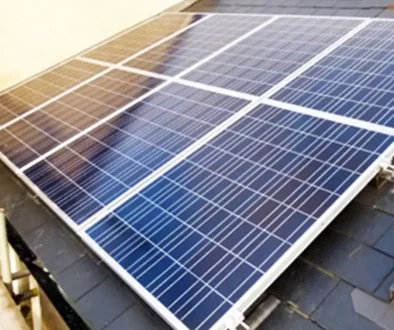
Solar panels
Solar charge controller
Battery bank
Inverter
Cables, fuses, and protection devices
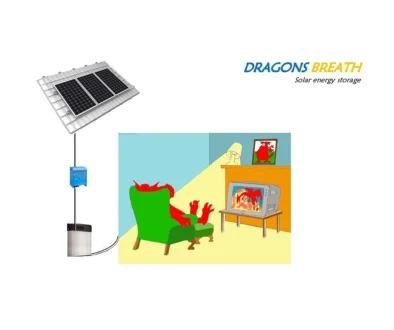
During daylight hours, solar panels generate electricity which is stored in batteries. The stored energy can then be used at night or during periods of low sunlight.
Who Uses Off-Grid Solar Systems
Off-grid systems are popular for locations where grid electricity is unavailable, expensive to connect, or unnecessary.
Common applications include
- Remote Cabins, Perfect for lighting, refrigeration, charging devices, and small appliances
- Garden Offices – Avoid expensive trenching and electrical installation costs
- Workshops & Agricultural Buildings – Ideal for powering tools, security systems, and lighting
- Campervans & Motorhomes – Provides independence when travelling without hook-up facilities
- Boats & Marine Applications – Reliable renewable power for navigation equipment, refrigeration, and onboard systems
How Does an Off-Grid Solar System Work
☀️ Sunlight
│
▼
┌──────────────────┐
│ Solar Panels │
└──────────────────┘
│
DC Electricity
│
▼
┌────────────────────────┐
│ MPPT Charge Controller │
└────────────────────────┘
│
Regulated Charging
│
▼
┌────────────────────────┐
│ LiFePO₄ / AGM Battery │
│ Battery Bank │
└────────────────────────┘
│
DC Power
│
▼
┌────────────────────────┐
│ Pure Sine Wave │
│ Inverter │
└────────────────────────┘
│
230V AC Power
│
▼
┌───────────────────────────────────────┐
│ Lights • Fridge • TV • Laptop • │
│ Pumps • Power Tools • Appliances │
└───────────────────────────────────────┘
A reliable off-grid system is only as strong as its weakest component. Investing in quality solar panels, batteries, charge controllers and inverters will usually reduce maintenance costs and improve long-term reliability. The process is straightforward:
1. Solar Panels Generate Electricity – Solar panels convert sunlight into DC (Direct Current) electricity.
2. Charge Controller Regulates Charging – A solar charge controller protects batteries from overcharging and improves charging efficiency. Modern MPPT (Maximum Power Point Tracking) controllers maximize energy harvest, particularly during variable UK weather conditions.
3. Batteries Store Energy – Battery storage allows excess daytime generation to be used later when the sun is not shining.
4. Inverter Converts Power – Most household appliances require AC (Alternating Current) electricity – An inverter converts stored battery power into usable AC power.
Essential Components of an Off-Grid Solar System
Components Required for an Off-Grid System
Component Purpose
Solar Panels Generate electricity
Charge Controller Regulates battery charging
Battery Bank Stores energy
Inverter Converts DC to AC power
Protection Equipment Safety and system protection
Mounting System Secure installation
Choosing quality components is essential for reliability and long-term performance
Choosing the Right Battery Technology
The battery bank is often the most important component in an off-grid system – Lithium (LiFePO4) Batteries
Advantages – Long lifespan, Deep discharge capability, Lightweight, Fast charging, Minimal maintenance
Off Grid battery power is Ideal for
Off-grid homes
Campervans
Boats
Garden offices
AGM Batteries
Advantages – Lower initial cost, Proven technology
For most new installations, LiFePO4 batteries offer the best long-term value despite higher upfront costs.
How to Size an Off-Grid Solar System
Correct sizing is critical. Undersized systems often result in flat batteries and frustrated users.
Step 1: Calculate Daily Energy Usage – List all appliances and estimate daily consumption.
Example:
Appliance Daily Consumption
LED Lighting 150Wh
Laptop 300Wh
Fridge 600Wh
Phone Charging 50Wh
Total 1,100Wh/day
Size the Battery Bank
A battery bank should typically provide at least one full days autonomy.
For a daily usage of 1,100Wh = 12V system.
- 100Ah lithium battery ≈ 1,280Wh usable
- 200Ah lithium battery would provide additional reserve capacity
Size the Solar Array
The UK receives varying solar irradiation throughout the year.
The general rule = Summer use requires smaller solar arrays
All year-round use requires larger arrays
In situation where a daily usage of 1,100Wh consumption requires
- A solar array of approximately 300–500W
- This is depending on location and seasonal requirements
Example Off-Grid System Designs
Small Shed System
Suitable for: Lighting, Device charging
Components needed – 200W solar panel, MPPT controller, 100Ah lithium battery
Garden Office System
Suitable for: Lighting, Laptop, Internet router
Components needed – 400–600W solar panels, 200Ah lithium battery, Pure sine wave inverter
Remote Cabin System
Suitable for: Lighting, Refrigeration, Entertainment systems
Components needed – 800–1,500W solar array, 300–600Ah lithium battery bank, High-quality inverter
Full-Time Off-Grid Living
Suitable for: Domestic appliances, Refrigeration, Water pumps
Home office equipment
Components needed – Large solar array, Significant battery storage, Advanced inverter system
Common Off-Grid Solar Mistakes
- Choosing Batteries That Are Too Small
- Battery capacity is often underestimated
- Always allow a margin for poor weather conditions
Buying Cheap Components
- Low-quality inverters and controllers frequently cause system failures
- Investing in reliable equipment reduces long-term costs
- Ignoring Winter Performance – Hybrid off-grid systems often use generators during prolonged poor weather
- Solar generation in winter can be significantly lower than summer output
- Design systems around worst-case conditions if year-round operation is required
- Incorrect Cable Sizing
- Undersized cables create voltage drop and power losses
- Proper cable sizing is essential for safety and efficiency
Benefits of Off-Grid Solar
- Energy Independence
- Generate and store your own electricity
- Lower Running Costs
- Minimal ongoing operating expenses once installed
- Reliable Power in Remote Locations
- Ideal where mains electricity is unavailable
- Renewable Energy
- Reduce reliance on fossil fuels and generators
Frequently Asked Questions
How much does an off-grid solar system cost in the UK. Costs vary depending on system size, battery capacity, and component quality. Small systems can start from a few hundred pounds, while larger residential systems may cost several thousand pounds.
Maintaining an Off-Grid Solar System
Off-grid solar systems require very little routine maintenance. Keeping solar panels clean, checking electrical connections periodically and monitoring battery performance will help maximise efficiency and extend system life. LiFePO₄ batteries require very little maintenance compared with traditional lead-acid batteries, making them an excellent choice for long-term installations.
Can I run a fridge from solar power – Yes. A properly sized solar system with adequate battery storage can comfortably run modern energy-efficient refrigerators.
Are lithium batteries worth the extra cost – For most applications, yes. Their longer lifespan, higher efficiency, and greater usable capacity generally make them the best long-term investment.
Can an off-grid solar system work in winter – Yes, but winter performance must be considered during system design. Additional panel capacity and battery storage may be required.
Recommended Next Steps – If you’re planning an off-grid installation, focus on three key decisions:
- Determine your daily energy usage
Choose the correct battery capacity
Select quality solar panels, charge controllers, and inverters
A properly designed system can provide years of reliable, low-maintenance power for cabins, workshops, boats, campervans, and remote properties.
Explore Related Topics
How to Size a Solar Battery Bank
LiFePO4 vs AGM Batteries
Campervan Solar System Guide
Choosing the Right Solar Charge Controller
Off-Grid Solar Kits for UK Applications
Do Off-Grid Solar Systems Work in the UK
- Yes. Off-grid solar systems can operate successfully throughout the UK, including during winter. However, shorter daylight hours and lower solar generation mean systems should always be designed around winter energy requirements rather than summer performance. In many locations, additional solar panels and battery capacity may be needed to provide reliable year-round power. Local conditions also matter, with areas such as South Wales, Scotland and northern England generally receiving less winter solar energy than southern England.
| System | Typical Solar Array | Battery |
|---|---|---|
| Shed | 200W | 100Ah LiFePO₄ |
| Garden Office | 400–600W | 200Ah LiFePO₄ |
| Cabin | 800–1,500W | 300–600Ah |
| Full-Time Living | Custom designed | Large battery bank |
Avoid these common mistakes when investing in off grid parts
❌ Buying batteries too small
❌ Cheap inverter
❌ No fuses
❌ Wrong cable size
Ready to Build Your Off-Grid Solar System
Whether you’re powering a cabin, workshop, boat, campervan or remote property, choosing the correct solar panels, batteries and charge controllers is essential for reliable performance.
Explore our range of: