
Solar Hot Water Systems Explained – Complete UK Guide
Introduction
Looking to reduce your energy bills by heating your hot water using free energy from the sun? Solar hot water systems, also known as solar thermal systems, are one of the most efficient renewable technologies for producing domestic hot water throughout the UK.
Unlike solar PV panels that generate electricity, solar thermal systems capture heat from the sun and transfer it directly into your hot water cylinder. A properly designed system can provide a significant proportion of a household’s annual hot water requirements while reducing reliance on gas, oil or electricity.
At Dragons Breath Solar, we’ve supplied solar thermal equipment and renewable energy products throughout the UK for over 20 years. Although we don’t install systems, we help homeowners, installers and DIY enthusiasts choose compatible products for new installations, upgrades and ongoing maintenance.
This guide explains how solar hot water systems work, the main components involved and what to consider before investing in solar thermal technology.
If you’re specifically looking for equipment, you can also browse our range of Solar Water Heating Products.
What Is a Solar Hot Water System
A solar hot water system uses solar collectors installed on the roof or ground to absorb energy from the sun. Rather than generating electricity, the collectors heat a specialist solar heating fluid which circulates through a sealed pipework system.
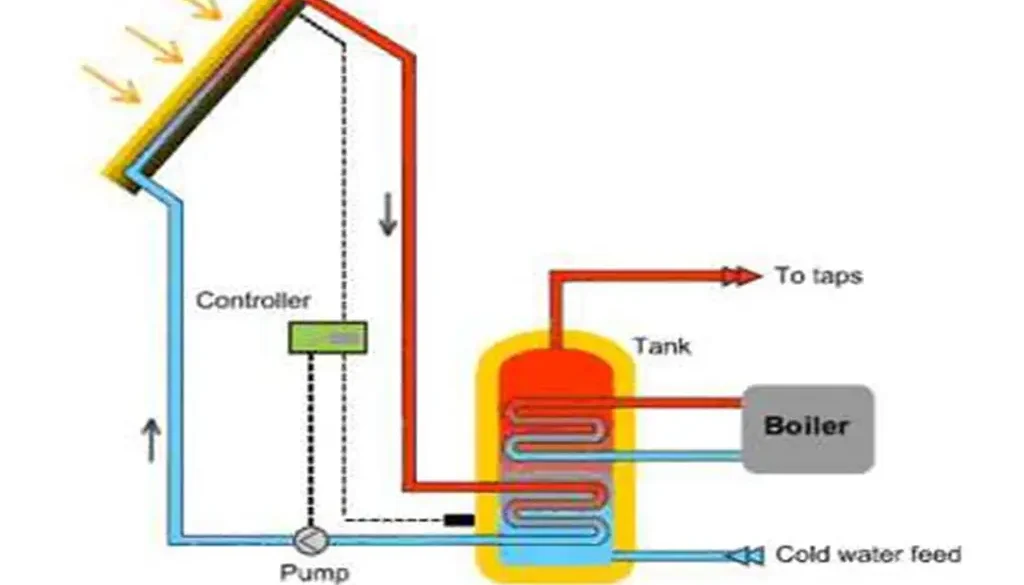
The heated fluid passes through a heat exchanger inside the hot water cylinder, transferring its heat to the stored water before returning to the collectors to be heated again.
This cycle continues whenever sufficient sunlight is available, providing an environmentally friendly way of producing domestic hot water.
How Does a Solar Thermal System Work
A typical sealed solar hot water system consists of:
- Solar thermal collectors
- Solar heating fluid
- Pump station
- Solar controller
- Expansion vessel
- Twin-coil hot water cylinder
- Pipework and insulation
The solar controller continuously monitors temperatures between the collectors and the cylinder. When the collectors become warmer than the stored water, the controller automatically starts the circulation pump.
The heated solar fluid transfers its energy through the cylinder heat exchanger before returning to the collectors to repeat the cycle.
Main Components of a Solar Hot Water System
Solar Thermal Collectors
Collectors capture the sun’s energy and convert it into heat.
The two most common types are:
- Flat plate collectors
- Evacuated tube collectors
Evacuated tubes generally perform better during colder weather, while flat plate collectors remain a popular and cost-effective solution for many UK homes.
Related Guide: Solar Thermal Collectors
Solar Hot Water Pump Station
The pump station circulates solar heating fluid around the sealed system.
Modern pump stations typically include:
- Circulation pump
- Isolation valves
- Flow meter
- Pressure gauge
- Safety valve
- Filling connections
Related Guide: Solar Hot Water Pump Stations
Solar Hot Water Controller
The controller is the system’s brain.
It monitors collector and cylinder temperatures before automatically switching the circulation pump on and off to maximise efficiency.
Many controllers include:
- Frost protection
- Holiday mode
- High temperature protection
- Digital monitoring
Related Guide: Solar Hot Water Controllers
Solar Heating Fluid
Rather than using plain water, solar thermal systems use a specialist glycol-based heat transfer fluid.
This protects the system against:
- Freezing
- Corrosion
- High operating temperatures
Regular inspection and replacement helps maintain system efficiency.
Related Guide: Solar Hot Water Heating Fluid
Expansion Vessel
As the solar heating fluid expands when heated, the expansion vessel absorbs pressure changes within the sealed system.
Without one, pressure could rise significantly during sunny weather.
Related Guide: Solar Expansion Vessels
System Controls
Modern solar thermal systems use electronic controllers and temperature sensors to monitor the temperature difference between the collectors and the hot water cylinder.
When sufficient solar energy is available, the controller automatically activates the circulation pump. Once the cylinder reaches its target temperature or the collector temperature falls, the pump is switched off to maximise efficiency and prevent unnecessary energy consumption.
Valves, Pipework and Fittings
A solar hot water system also relies on correctly specified pipework, isolation valves, non-return valves, safety valves and high-temperature insulation. These components help maintain efficient circulation while protecting the system from pressure changes and heat loss.
Routine inspection of seals, fibre washers and pipe insulation can help prevent leaks and maintain long-term reliability.
Benefits of Solar Hot Water Systems
Installing a solar thermal system offers several advantages:
- Lower hot water heating costs
- Reduced carbon emissions
- Renewable energy source
- Low maintenance
- Long operating life
- Reliable year-round performance
- Compatible with many existing heating systems
- Can help reduce reliance on fossil fuels
- Uses free renewable energy from the sun
How Much Hot Water Can a Solar Thermal System Produce
The amount of hot water generated depends on several factors, including the size of the collector array, the capacity of the hot water cylinder, household demand and the time of year.
During the summer months, a correctly sized solar hot water system can often provide most, or even all, of a household’s domestic hot water requirements. During winter, solar thermal systems continue to contribute useful heat, although a conventional boiler or immersion heater will normally provide additional backup when solar energy is limited.
Selecting the correct collector size and cylinder capacity helps maximise year-round performance.
Is Solar Hot Water Suitable for Every Home
Solar thermal systems work best where:
- A suitable south, east or west facing roof is available
- There is sufficient roof space
- A compatible hot water cylinder is installed
- Hot water demand is reasonably consistent
Even properties that aren’t perfectly south-facing can often benefit from solar thermal technology.
Maintaining Your Solar Hot Water System
Like any heating system, regular servicing helps maintain reliable operation.
Routine maintenance should include checking:
- Solar heating fluid condition
- Pump operation
- Expansion vessel pressure
- Pipe insulation
- System pressure
- Controller settings
Replacing degraded solar heating fluid and worn service components helps maximise system lifespan.
Why Buy Solar Thermal Components from Dragons Breath Solar
With over 20 years’ experience supplying renewable energy products throughout the UK, Dragons Breath Solar stocks quality solar thermal components suitable for domestic and commercial systems.
Our range includes:
- Complete solar thermal systems
- Solar collectors
- Pump stations
- Controllers
- Expansion vessels
- Heating fluid
- Service components and accessories
- Compression fittings
We also stock replacement seals, fibre washers, mounting accessories and other service parts to help maintain and repair existing solar thermal systems.
Although we don’t install systems, we’re always happy to help customers choose compatible products for servicing, upgrading or building a solar hot water system.
Frequently Asked Questions
How does a solar hot water system work
Solar collectors absorb heat from the sun and transfer it via a sealed circuit containing solar heating fluid to the hot water cylinder.
Can solar hot water work in winter
Yes. Solar thermal systems continue to collect useful heat during winter, although output is generally lower than during summer.
Do solar hot water systems need servicing
Yes. Regular servicing helps maintain efficiency and includes checking the heating fluid, pump station, controller and expansion vessel.
How long do solar thermal systems last
High-quality systems can operate for 20 years or more with appropriate maintenance.
Can I install a solar hot water system myself
Many experienced DIY enthusiasts undertake parts of the installation. However, system design, plumbing, commissioning and compliance with applicable regulations should always be carefully considered.
Does a solar hot water system work on cloudy days
Yes. Solar thermal collectors can still absorb useful levels of solar radiation on overcast days, although performance will be lower than in direct sunshine. The system controller automatically adjusts operation based on the available solar energy.
Final Thoughts
Solar hot water systems remain one of the most effective ways to harness renewable energy for domestic hot water. By combining quality components with regular servicing, homeowners can enjoy reliable performance, reduced energy costs and lower carbon emissions for many years.
At Dragons Breath Solar, we supply a comprehensive range of solar thermal products to support new installations and existing systems. Whether you’re replacing heating fluid, upgrading a controller or building a complete solar hot water system, we’re here to help you choose compatible components with confidence.
Continue Reading
Looking to learn more about solar hot water systems? These related guides explain each component in greater detail and can help you choose the right products for installation, servicing and maintenance.
- Solar Hot Water Heating Fluid – Learn why specialist glycol-based fluid is essential for efficient heat transfer and frost protection.
- Solar Hot Water Pump Stations – Discover how pump stations circulate heated fluid around the system.
- Solar Hot Water Controllers – Understand how controllers optimise system performance.
- Solar Expansion Vessels – Find out why expansion vessels protect sealed solar thermal systems.
- Solar Thermal Collectors – Compare flat plate and evacuated tube collectors.
- Solar Water Heating Products – Browse our range of solar thermal equipment and accessories.
- Solar Energy Guides – Explore more expert advice, buying guides and renewable energy resources.