
Solar panel orientation
Solar Panel Orientation – The Complete UK Guide
Choosing the correct solar panel orientation is one of the most important factors in maximising the performance of your solar PV system. While modern solar panels will generate electricity from daylight regardless of their direction, the angle and orientation of your installation can significantly influence annual energy production.
At Dragons Breath Solar, we’ve been supplying solar equipment and renewable energy solutions for over 20 years. This guide explains how solar panel orientation affects performance, the best roof directions for UK installations, and how to achieve the highest possible energy generation from your investment.
Whether you’re installing a roof-mounted, ground-mounted or off-grid solar system, understanding solar orientation will help you make informed decisions before purchasing your equipment.
If you’re new to solar energy, our Solar Energy Guides provide a great starting point for understanding the different types of solar systems and equipment available.
What Is Solar Panel Orientation
Solar panel orientation refers to the direction your solar panels face in relation to the sun. In the UK, the amount of sunlight received throughout the day varies depending on the direction your panels face.
Orientation works together with roof pitch (tilt angle) to determine how efficiently your solar panels capture available sunlight throughout the year.
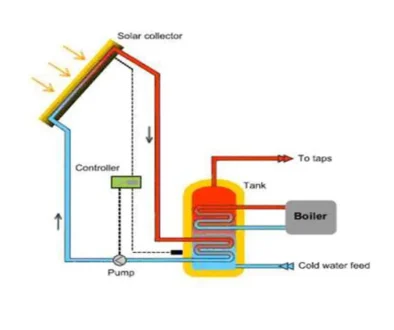
To understand how orientation affects electricity generation, read our guide explaining How Solar PV Systems Work.
Even if your roof isn’t perfectly positioned, today’s high-efficiency solar panels can still produce excellent results when correctly designed.
What Is the Best Solar Panel Orientation in the UK
For most UK installations, south-facing solar panels provide the highest annual energy generation because they receive the greatest amount of sunlight throughout the day.
However, this doesn’t mean other roof orientations are unsuitable.
Typical performance by roof direction
| Roof Direction | Performance |
|---|---|
| South | ⭐⭐⭐⭐⭐ Excellent |
| South-East | ⭐⭐⭐⭐ Very Good |
| South-West | ⭐⭐⭐⭐ Very Good |
| East | ⭐⭐⭐ Good |
| West | ⭐⭐⭐ Good |
| North-East | ⭐⭐ Fair |
| North-West | ⭐⭐ Fair |
| North | ⭐ Poor |
Many homeowners successfully install solar panels on east or west-facing roofs, particularly when combined with battery storage systems that allow excess electricity generated during the day to be used later.
Can Solar Panels Face North
North-facing solar panels generally produce less electricity than south, east or west-facing installations because they receive less direct sunlight throughout the year.
Although north-facing roofs can still generate electricity, they are usually not the preferred option unless there are no practical alternatives. In many cases. Installing panels on an east or west-facing roof will often provide significantly better performance. Choosing the correct mounting system is equally important, so you may also find our Solar Panel Mounting Systems – Complete Guide useful.
What Is the Best Solar Panel Angle
Along with orientation, the angle of your solar panels has an important effect on performance.
For most locations throughout the UK, a tilt angle between 30° and 40° provides excellent year-round energy generation.
Fortunately, many domestic roofs already fall within this range, making additional adjustment unnecessary.
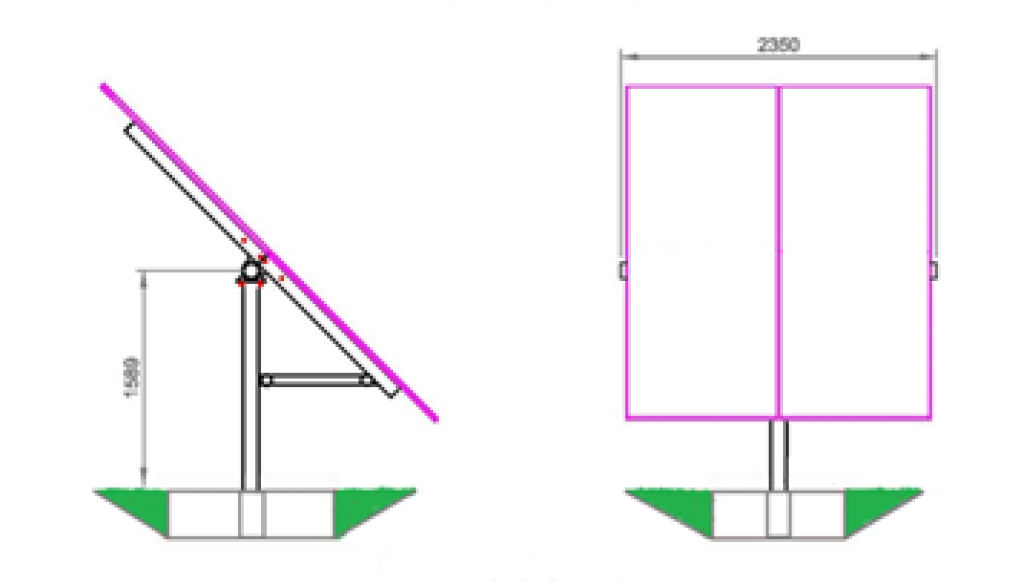
For installations on flat roofs or ground-mounted systems, adjustable mounting frames allow panels to be positioned at the optimum angle.
Our Solar Panel Mounting Systems – Complete Guide explains the different mounting options available for pitched roofs, flat roofs and ground-mounted arrays
Does Roof Pitch Matter
Yes, but perhaps not as much as many people think.
Solar panels continue to perform well across a wide range of roof pitches, and a difference of just a few degrees is unlikely to have a significant impact on annual electricity generation.
A roof with a 30° pitch facing south-west will often outperform a perfectly angled roof that suffers from heavy shading.
Good system design is therefore far more important than chasing the perfect angle.
You may also find our Solar Panel Fixing Questions & Answers useful if you’re choosing the right mounting solution.
East vs West vs South Facing Solar Panels
Each roof orientation offers different advantages.
South Facing
- Highest annual electricity generation
- Maximum midday production
- Ideal for homes with daytime electricity usage
East Facing
- Earlier morning electricity generation
- Good for households active during the morning
- Excellent when paired with battery storage
West Facing
- Generates more electricity during the afternoon and evening
- Useful for homeowners returning home later in the day
- Works well with battery storage systems
Many modern installations now use both east and west roof slopes to provide a longer generation period throughout the day. Homeowners combine east or west-facing solar panels with battery storage to maximise the use of the electricity they generate.
Does Shading Affect Solar Panel Performance
Yes.
Even small amounts of shading can reduce the performance of a solar panel system.
Common sources include:
- Trees
- Chimneys
- Dormer windows
- TV aerials
- Satellite dishes
- Nearby buildings
Careful panel positioning, together with modern optimisers and microinverter technology, can help reduce the impact of partial shading. However, avoiding shade wherever possible will always deliver the best long-term performance.
Flat Roof Solar Panel Orientation
Flat roofs provide excellent flexibility because mounting frames can position the panels at the optimum angle.
Benefits include:
- Adjustable tilt angles
- Easier maintenance access
- Flexible orientation
- Suitable for commercial buildings
- Ideal for extensions and garages
Correct spacing between panel rows is essential to prevent one row shading another during winter.
Ground Mounted Solar Panel Orientation
Ground-mounted systems offer complete freedom when selecting both orientation and angle.
This allows the array to be positioned for maximum energy generation throughout the year.
Ground-mounted systems are particularly suitable for:
- Farms
- Rural properties
- Off-grid systems
- Commercial premises
- Large gardens
- Remote locations
Ground-mounted systems are also popular for remote properties and off-grid installations. Our Off-Grid Solar Systems – Complete UK Guide explains how these systems operate independently of the electricity grid.
Common Solar Panel Orientation Mistakes
Avoid these common installation mistakes:
- Ignoring nearby shading
- Installing panels beneath growing trees
- Choosing aesthetics over performance
- Incorrect panel spacing
- Selecting the wrong mounting system
- Failing to consider future property extensions
- Ignoring seasonal sun angles
Planning the installation correctly from the beginning usually produces the highest long-term energy yield.
Solar Panel Orientation Throughout the Seasons
The position of the sun changes significantly during the year.
Spring
Longer daylight hours increase electricity generation.
Summer
The sun reaches its highest point, producing maximum daily output.
Autumn
Generation gradually reduces as daylight hours shorten.
Winter
Although output is lower, properly orientated solar panels continue generating electricity whenever daylight is available.
Understanding these seasonal variations helps set realistic expectations for annual energy production.
Frequently Asked Questions
Can solar panels face east
Yes. East-facing solar panels still produce excellent energy and are ideal for generating electricity during the morning.
Can solar panels face west
Yes. West-facing panels provide strong afternoon and evening generation, making them popular for homes with higher evening electricity use.
Is south-facing always best
For maximum annual generation, yes. However, east and west-facing systems often provide better energy usage patterns depending on your lifestyle.
What angle should solar panels be in the UK
For most installations, between 30° and 40° offers excellent year-round performance.
Can solar panels be installed on flat roofs
Yes. Flat roof mounting systems allow panels to be installed at the optimum angle.
Does orientation matter more than panel efficiency
Both are important, but correct orientation allows even highly efficient panels to perform at their best.
Looking for answers to more solar questions? Visit our Solar Questions & Answers page for expert advice on solar panels, batteries, mounting systems and renewable energy.
Why Choose Dragons Breath Solar
With over 20 years of experience supplying renewable energy equipment throughout the UK, Dragons Breath Solar provides high-quality solar panels, mounting systems, battery storage and off-grid equipment for domestic, commercial and agricultural applications.
Although we don’t install systems, we supply carefully selected products together with expert advice to help customers design efficient solar installations suited to their individual requirements.
Final Thoughts
Choosing the correct solar panel orientation is one of the simplest ways to maximise the performance of your solar PV system. While south-facing roofs generally provide the highest annual generation, east and west-facing installations continue to deliver excellent results when combined with the correct equipment and system design.
By considering roof direction, roof pitch, shading and your property’s electricity usage, you can design a solar installation that delivers reliable renewable energy and excellent long-term performance.
If you’re planning a new installation, explore our range of Solar Panels, Solar Panel Mounting Kits, Solar PV Roof Fixings, and Off-Grid Solar Systems. You can also visit our Solar Energy Guides and Solar Questions & Answers for more expert advice on designing the right solar solution for your property.
You can also browse our Solar Energy Guides for practical advice covering solar panels, mounting systems, battery storage and off-grid renewable energy.
Continue Reading
If you’re planning a solar installation, these guides provide more detailed information to help you choose the right equipment.
- Solar Panel Mounting Systems – Complete Guide
- Solar Panel Fixing Questions & Answers
- Off-Grid Solar Systems – Complete UK Guide
- How Solar PV Systems Work
- Solar Questions & Answers
- Solar Energy Guides